
Tracing U.S. Influence and Cuban Suffering in the Pre and Post Batista Era — Lead-Up to Revolution
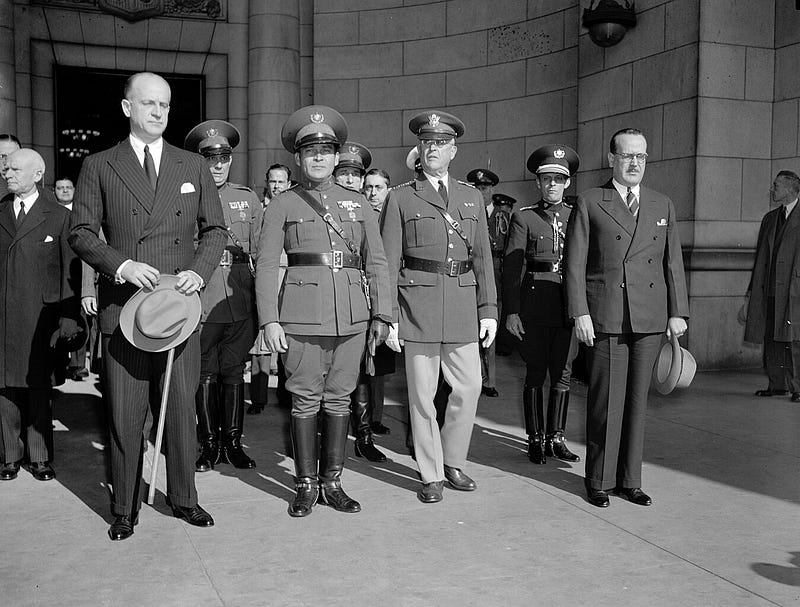
Tracing U.S. Influence and Cuban Suffering in the Pre and Post Batista Era — Lead-Up to Revolution

Introduction:
The interplay between the United States and Cuba stretches beyond political maneuvering, weaving a narrative that bears the weight of human suffering. As we rewind the chronicles before the Batista era, the canvas reveals not only political machinations but also the tangible impact on the daily lives of Cuban citizens ensnared in the folds of external influence and oppression.
The Platt Amendment’s Toll on Cuban Prosperity:
The insidious grip of the Platt Amendment not only extended to political sovereignty but also cast a long shadow over Cuba’s economic prosperity. As American businesses flourished, Cuban citizens bore the brunt of economic disparity. The sugar plantations, once symbols of potential wealth, became sources of exploitation, with laborers toiling in harsh conditions for meager wages.
Economic Shackles:
U.S. corporations, lured by the allure of profit, amassed vast plantations, monopolizing Cuba’s sugar industry. This economic hegemony left the majority of Cuban citizens grappling with poverty, their dreams of prosperity smothered by a system that prioritized foreign interests over local well-being. The wealth gap widened, and the promise of a better life remained elusive for many.
Puppet Governments and the Suffering Masses:
The puppet governments orchestrated by U.S. influence further deepened the plight of the Cuban people. These regimes, serving as conduits for American interests, failed to address the fundamental needs of the population. Basic services, education, and healthcare suffered as governance succumbed to external pressures, leaving ordinary Cubans trapped in a cycle of poverty and neglect.
Batista’s Iron Grip:
The Batista interlude heightened the suffering of the Cuban populace. As Batista consolidated power with U.S. support, the tightening grip on dissent stifled any hope for change. Basic human rights were trampled, dissent was silenced, and poverty became a pervasive reality for the majority. The Batista regime was fraught with issues that caused the populace to suffer under its rule:
- Repression of Dissent:
Batista’s regime was marked by a ruthless suppression of political dissent. Opposition parties, activists, and anyone perceived as a threat to the regime were targeted, leading to arbitrary arrests, imprisonment, and even executions. The right to free speech was systematically quashed, creating an atmosphere of fear and silencing any voice that dared to challenge the status quo.
- Torture and Brutality:
The methods employed by Batista’s security apparatus to maintain control were brutal. Political prisoners faced torture and inhumane treatment, with reports of beatings, electric shocks, and other forms of physical and psychological abuse. The notorious “torture chambers” became emblematic of the regime’s willingness to crush dissent through any means necessary.
- Corruption and Exploitation:
Batista’s regime was rife with corruption, with government officials amassing wealth at the expense of the Cuban people. The alliance with powerful American interests facilitated the exploitation of the country’s resources, exacerbating economic disparities and leaving ordinary citizens impoverished. The regime’s focus on serving the elite rather than the broader population fueled resentment and discontent.
- Economic Injustice and Exploitation:
While the elite prospered, the majority of Cubans faced economic hardships under Batista’s rule. The sugar industry, a crucial pillar of the Cuban economy, became a symbol of exploitation as American corporations reaped the benefits while laborers toiled in deplorable conditions for minimal wages. The economic disparity widened, creating a stark divide between the privileged few and the struggling many.
- Manipulation of Elections:
Batista’s grip on power was sustained through a façade of democratic governance. However, elections under his regime were marred by manipulation, coercion, and fraud. The democratic process became a charade, with Batista engineering his continued rule while sidelining the genuine aspirations of the Cuban people for self-determination.
A Cry from the Shadows:
Through the lens of history, the living conditions of Cuban citizens emerge as a stark reminder of the human cost embedded in geopolitical maneuvering. The struggles of the people were often obscured by the broader narrative of political intrigue. Yet, beneath the surface, families grappled with economic hardship, limited opportunities, and the erosion of their basic rights.
Under the Batista regime, education became a casualty of political expediency. Schools languished in neglect, with inadequate resources and crumbling infrastructure. The promise of knowledge and empowerment was replaced by a stark reality of illiteracy and limited educational opportunities.
The healthcare system, already strained, suffered further deterioration. Hospitals, lacking essential resources, struggled to provide even basic care. The welfare of the Cuban people took a backseat to the consolidation of power, leaving communities grappling not only with poverty but also with the pervasive impact of a faltering healthcare system.
The Catalyst for Change:
These oppressive conditions set the stage for the Cuban Revolution. The cocktail of economic exploitation, puppet governance, and authoritarian rule under Batista became the crucible in which the fervor for change ignited. Fueled by a desire for self-determination and justice, the Cuban people, led by figures like Fidel Castro, embarked on a revolutionary journey that would reshape the nation’s destiny.
The Revolutionary Promise:
The Cuban Revolution, which culminated in 1959, was not merely a change in leadership but a profound transformation that aimed to address the systemic issues plaguing Cuban society. Fidel Castro, along with other revolutionaries, envisioned a Cuba where the well-being and empowerment of the people took precedence over foreign interests and elite privilege. Many changes occurred after the revolution, that western countries often gloss over, these included:
- Educational Renaissance:
One of the most significant strides made by the Cuban Revolution was in the realm of education. Recognizing that a nation’s progress is intricately tied to the education of its citizens, the revolutionary government implemented sweeping reforms. Schools were built, literacy campaigns were launched, and educational opportunities became accessible to all, breaking the chains of illiteracy that had stifled previous generations.
- Healthcare for All:
The revolution also ushered in a new era of healthcare in Cuba. Recognizing that a healthy population is a cornerstone of national prosperity, the government invested heavily in the healthcare system. Hospitals were built, medical professionals were trained, and a commitment to preventive care became central to Cuba’s healthcare philosophy. The result was a healthcare system that, despite facing economic challenges, became a model for developing nations.
- Land Redistribution and Economic Reforms:
The revolution sought to dismantle the economic disparities that had plagued Cuba for decades. Land reform aimed to redistribute large estates, providing land to peasants and fostering agricultural self-sufficiency. The nationalization of industries ensured that the profits generated from Cuba’s resources benefited the Cuban people rather than foreign corporations.
- Empowering Women:
The Cuban Revolution also championed gender equality, recognizing that the empowerment of women is vital for the progress of any society. Women were encouraged to participate in all aspects of public life, from education to the workforce, breaking down traditional gender roles and fostering a more inclusive society.
- International Solidarity:
The impact of the Cuban Revolution wasn’t confined to its borders. Cuba’s commitment to international solidarity saw the nation providing medical aid, educational support, and military assistance to other nations striving for independence and social justice. This internationalism became a hallmark of Cuba’s foreign policy.
Conclusion:
The history of U.S. occupation and oppression in Cuba during and before the Batista regime carries the weight of a nation’s suffering. The economic exploitation, puppet governments, and Batista’s authoritarian rule left an indelible mark on the lives of Cuban citizens. Acknowledging this human toll is paramount as we navigate the complexities of the past and strive for a future that respects the dignity and aspirations of the Cuban people.