
Origins of the Messiah Story
Origins of the Messiah Story

When we hear the word messiah most of us instantly think of Christ or possibly various cult leaders throughout the years that have claimed to be the returned messiah.
Christians
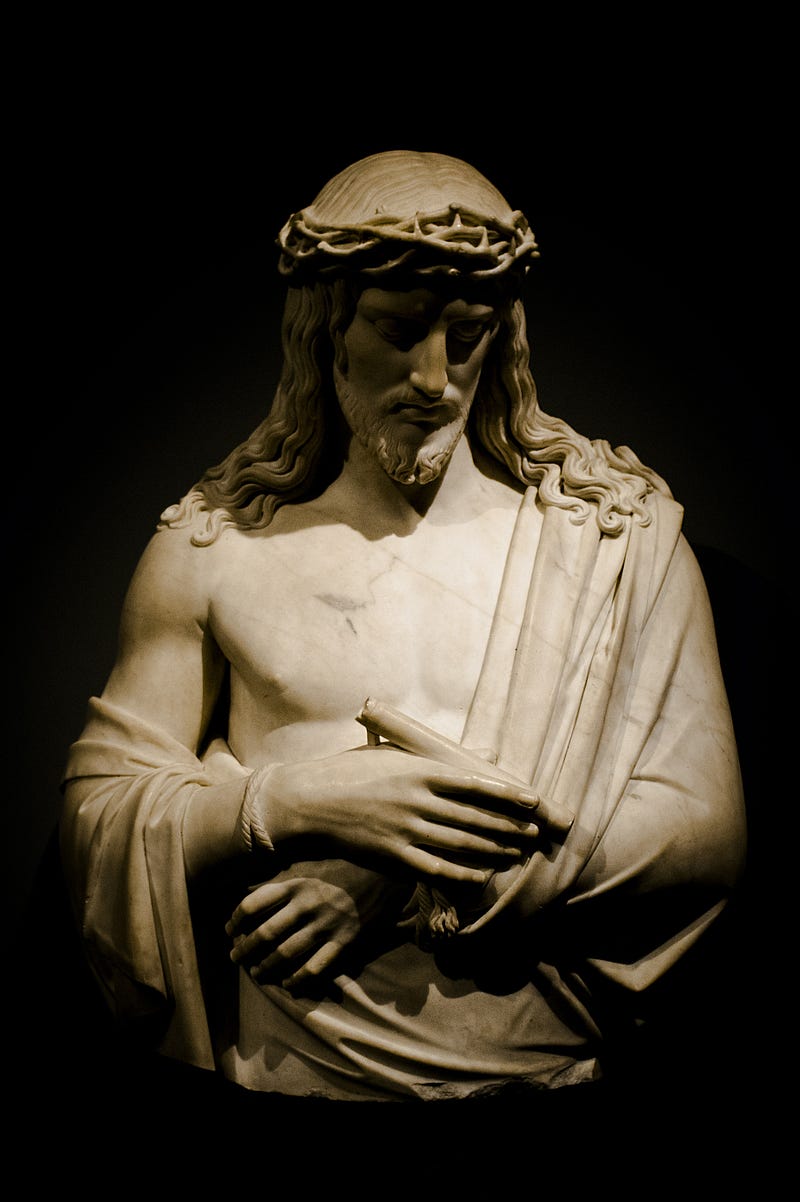
Christians, of course, believe that Christ was the messiah that had been promised. They believe that he died on the cross, rose from the dead three days later and ascended to heaven, but before he left he also promised to return. It was later prophesized in the book of Revelations that in the end times he would defeat the anti-christ and his false prophet, and Satan would be cast along with them into the lake of fire.
Islam
What may surprise many Christians is Muslims believe that Jesus (Īsā ibn Maryam, “Jesus son of Mary”) was the messiah as well. They believe he fulfilled the prophecy of the messiah that was promised, came to earth and performed many miracles. They revere him as one of their holiest prophets, and believe he will return in the end times to the Umayyad Mosque in Damascus. They revere this location as the fourth most holy site for the Islamic faith. The biggest differences here is that they reject the idea that Christ died on the cross, instead believing he was miraculously saved by Allah (God) and ascended to heaven. The biggest point of contention, of course, is while they do believe that Jesus was a very important prophet, and hold him in high regard as such, they reject the idea that he was the son of God or was God incarnate. They stick to a very strict monotheism, rather than the triune God that Christians believe in.
Judaism
I’ve mentioned in the previous two paragraphs that both Christians and Muslims believe Christ to be the messiah that was promised, so promised to whom exactly? Well that goes back to the old testament, the Torah, the holy book of the Jewish faith.
Isaiah 7:14
14 Therefore the Lord himself shall give you a sign; Behold, a virgin shall conceive, and bear a son, and shall call his name Immanuel.
Isaiah 9:6–7
6 For unto us a child is born, unto us a son is given: and the government shall be upon his shoulder: and his name shall be called Wonderful, Counsellor, The mighty God, The everlasting Father, The Prince of Peace.
7 Of the increase of his government and peace there shall be no end, upon the throne of David, and upon his kingdom, to order it, and to establish it with judgment and with justice from henceforth even for ever. The zeal of the Lord of hosts will perform this.
Many Jews did believe Christ was the messiah and became known as Christians, but the vast majority obviously did not believe this, and were instrumental (according to Christians) in having him crucified. In the centuries following Christ there have been over twenty potential messianic figures to rise up out of the Jewish faith, each with their own flock of followers, the most recent I could find being a man by the name of Menachem Mendel Schneerson who died in 1994.
So one would think that Judaism may have been the one to originate this idea of a messiah, they do claim to be the oldest monotheistic religion after all. But as I mentioned in a older article Judaism was greatly influenced during the Babylonian Exile period, and a number of themes seem to have been adopted from the religion that the Persians predominantly followed during that time.
Zoroastrianism
Zoroastrians believe in a one true, all good, divine unknowable God named Ahura Mazda (yes this is where the car brand gets the name.) Some believed that this was the only god, and a much lesser being named Angra Mainyu represents the opposite of everything Ahura Mazda does, and has worked to corrupt Ahura Mazda’s creation. Although some sects believe essentially in a dualistic approach, with Ahura Mazda and Angra Mainyu being in a war of light vs dark, on a more equal footing. This plays out until the end times when a savior will come and help vanquish evil forever. Sound familiar? It should…
The Sayoshant — Messiah of Zoroastrianism
The Sayoshant is the savior prophesized in Zoroastrianism to be born of a virgin, and that virgin will be in a special lineage, in this case of Zoroaster (the founder of the religion), and that this savior will eventually destroy all evil. All three of these we can see mirrored in the prophesies of the Bible, and keep in mind this religion predates Judaism, and vastly predates Christianity. Even the “wisemen” who came to see the baby Jesus were Magi, priests of Zoroastrianism. So were they seeking the Sayoshant, and why would the angels in the Bible have led them to the baby Jesus? It seems like an odd detail to add into the Christian bible, except possibly to try to hijack some followers of Zoroastrianism over to their religion by claiming the prophecy had been fulfilled, or was he was the actual Sayoshant?